Relocating heavy industrial machinery is far more intricate than simply moving large equipment from one location to another. It is a highly technical process that requires careful planning, precision, and expert handling. Modern industrial machines are not only massive in size and weight but also consist of interconnected systems that must function seamlessly together. Due to this complexity, specialized precision millwright and machinery alignment solutions becomes necessary.
Importance of Precision Millwright and Machinery Alignment in Industrial Relocation
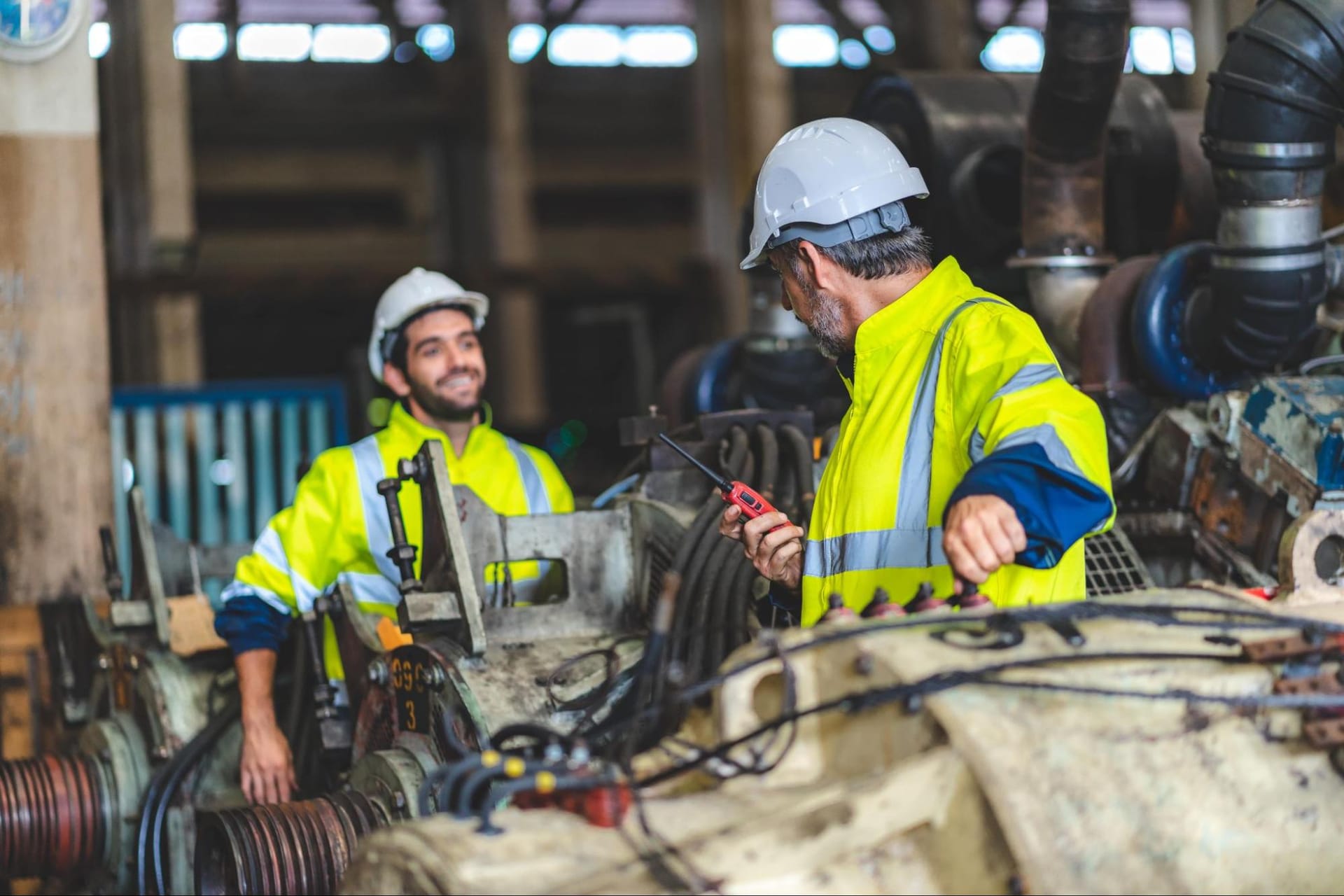
Millwrights play a crucial role in machinery relocation. They are responsible for carefully dismantling equipment, overseeing its safe transport, and reassembling it with exact precision at the new site. Their work ensures that once the machinery is operational again, it performs at optimal efficiency with minimal disruption. Without proper precision millwright and machinery alignment solutions, even small errors during relocation could result in costly downtime or long-term performance issues.
Industrial equipment itself presents a unique challenge. These machines are not only heavy but also highly sophisticated, often incorporating electrical components, hydraulic systems, pneumatic controls, and delicate internal parts. Each component must be handled with care, as improper movement or positioning can damage the system. Successfully relocating such machinery requires more than physical effort—it demands a thorough understanding of how the equipment is designed, how weight is distributed, and how each part contributes to overall functionality. Millwrights bring together technical knowledge and hands-on experience to manage these complexities with precision.
Precision millwrights are highly trained professionals who specialize in the installation, maintenance, and alignment of industrial machinery. During relocation, their responsibilities begin at the dismantling stage, where they carefully disassemble equipment while documenting configurations, measurements, and alignments. This detailed approach ensures that every component can be reinstalled correctly without compromising performance. Even a minor misstep during this phase can lead to inefficiencies or costly repairs later.
One of the most crucial aspects of their work is machinery alignment. Proper alignment ensures that all machine components—such as shafts, motors, and couplings—are positioned accurately relative to one another. When machinery is misaligned, it can lead to excessive vibration, increased wear and tear, energy loss, and even unexpected breakdowns. In high-precision industries, even slight deviations can impact product quality and overall output.
During relocation, alignment becomes even more important because machinery is being reinstalled in a completely new setting. Factors like floor levelness, foundation strength, and environmental conditions can all influence how equipment should be positioned. Precision millwrights use advanced tools like laser alignment systems and measurement instruments to achieve exact positioning. This ensures that the machinery operates efficiently from the moment it is restarted.
Beyond technical accuracy, proper alignment also plays a key role in safety. Misaligned equipment can create hazardous conditions for workers, including increased risk of mechanical failure or accidents. By ensuring that all systems are correctly installed and calibrated, millwrights help create a safer working environment. Overall, precision millwrights and machinery alignment solutions play a vital role in successful industrial relocation