
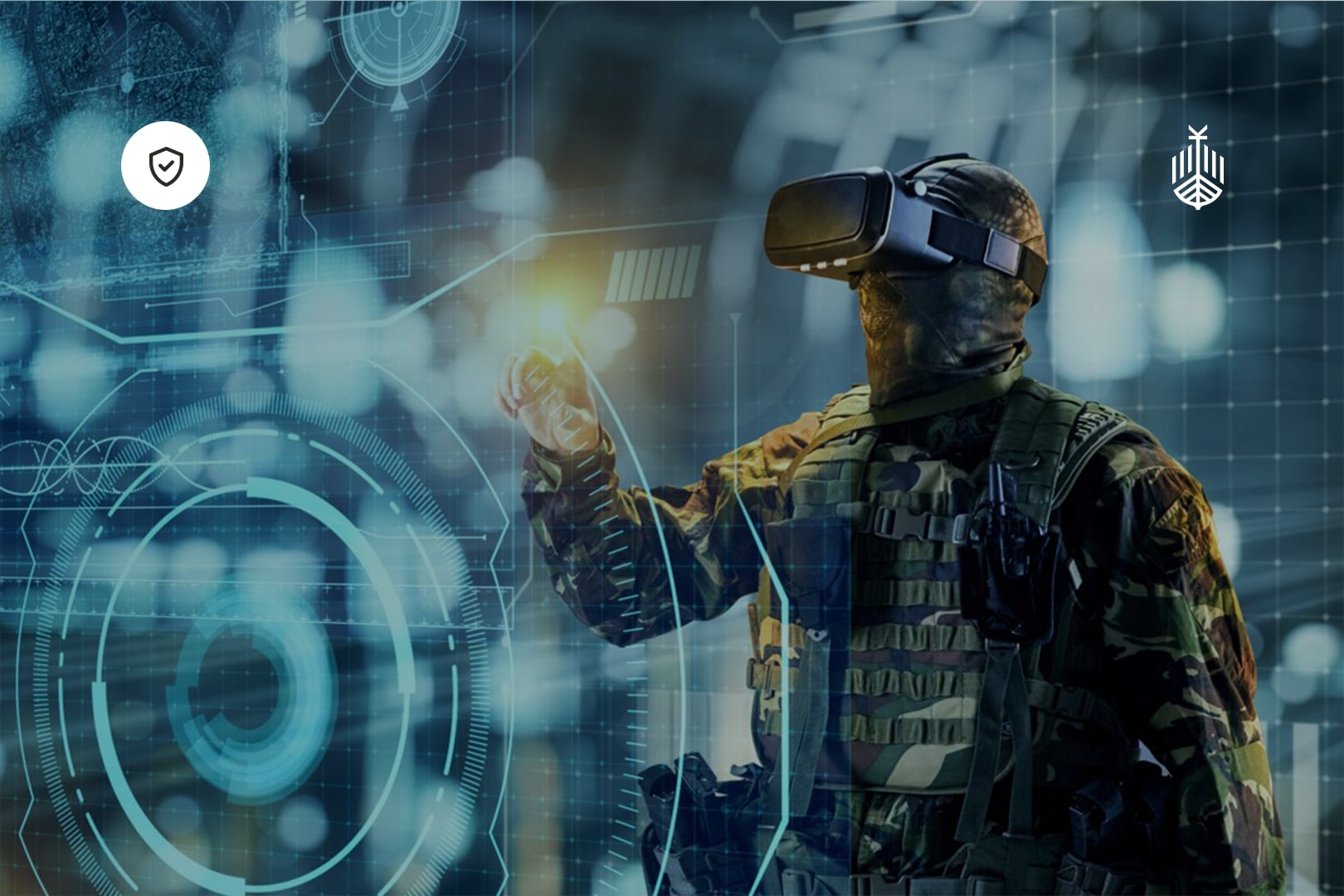
Tactical training has evolved far beyond traditional drills and classroom instruction. In today’s fast-paced and high-risk environments, organizations require smarter, safer, and more efficient ways to prepare personnel for real-world challenges. This is where tactical training simulators are transforming the landscape. By blending advanced technology with realistic scenarios, these simulators offer a powerful, immersive learning experience that sharpens skills without exposing trainees to unnecessary danger.
How Are Tactical Training Simulators Helpful
Tactical training simulators are designed to replicate real-life situations with remarkable accuracy. Whether its law enforcement responding to critical incidents, military units preparing for combat operations, or emergency responders managing disaster scenarios, these systems create controlled environments where every decision matters. Trainees can engage in lifelike situations, make strategic choices, and experience the consequences of their actions—all within a safe and repeatable setting.
One of the biggest advantages of tactical training simulators is their ability to enhance decision-making under pressure. In high-stake professions, hesitation or poor judgment can lead to serious consequences. Simulators allow users to practice quick thinking and situational awareness in dynamic scenarios. From handling hostile encounters to coordinating team-based operations, individuals can refine their responses through repeated exposure and feedback.
Another key benefit lies in customization and adaptability. Modern tactical training simulators can be tailored to meet specific training objectives. Organizations can design scenarios based on real incidents, regional challenges, or evolving threats. This flexibility ensures that training remains relevant and aligned with current operational needs. Moreover, instructors may adjust difficulty levels, introduce unexpected variables, and monitor performance in real time, making each session more effective and personalized.
Cost-effectiveness is also a significant factor driving the adoption of tactical training simulators. Traditional training methods often involve extensive logistics, equipment usage, and physical resources, which can be expensive and time-consuming. Simulators reduce these costs by minimizing the need for live exercises while still delivering high-quality training outcomes. They also allow for frequent practice without wear and tear on equipment or risk to personnel. These simulators additionally play a crucial role in improving teamwork and communication. Many systems are designed for multi-user participation, enabling teams to train together in coordinated scenarios. This collaborative approach helps build trust, enhance coordination, and ensure that every team member understands their role in complex operations. Effective communication, especially in critical situations, can be the difference between success and failure.
Technology continues to push the boundaries of what tactical training simulators can achieve. With the integration of virtual reality (VR), augmented reality (AR), and artificial intelligence (AI), these systems are becoming more immersive and intelligent. AI-driven simulations can adapt in real time, responding to trainee actions and creating unpredictable scenarios that mirror real-world complexity. This level of realism ensures that trainees are better prepared for the uncertainties they may face in the field.
On the whole, tactical training simulators are redefining how organizations approach skill development and preparedness. By offering realistic, flexible, and cost-effective training solutions, they empower individuals and teams to perform with confidence and precision. As technology continues to advance, the role of tactical training simulators will only grow, making them an essential tool for modern training programs across industries.


